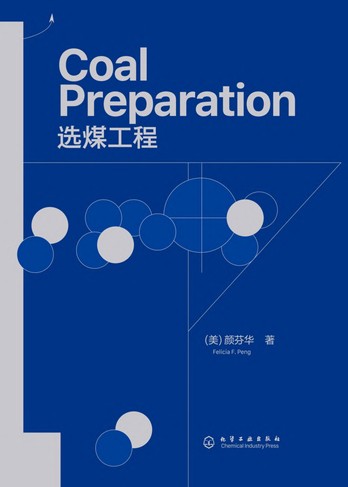
本书从煤炭的环境影响(包括全球变暖),煤炭的应用、煤炭的赋存和组成及其对洗选工艺的影响等多个方面进行了阐述。书中详细介绍了各种洗煤工艺及作业单元,包括破碎、筛分、分级、重选、浮选、脱水、干燥等工艺,几乎涵盖了煤炭被开采出地表后所经历的全部处理作业。为了更好地达到教学目的,在第14章列出了7个家庭作业、5个考试和5个实验,对实验目的、安全设备、实验流程、数据分析方法结果呈现和报告格式给出了非常详细的说明。本书可供选煤工业相关生产、技术人员、研发人员和管理人员,以及选煤专业相关师生学习。
封面
目录
第1章 INTRODUCTION
1.1 Coal Preparation is a Subsystem of Mining Operations
1.2 Objectives of Coal Cleaning
1.3 Coal Cleaning Processes
1.4 Coal Utilization
1.5 Environmental Considerations
1.6 Transportation Modes of Coal
第2章 COAL
2.1 Formation of Coal
2.2 Representative Structure of Chemical Groups in Bituminous Coal
2.3 Parr Formula and Classification of Coal by Rank
2.4 Coal Resources in the United States and West Virginia
第3章 COAL CHARACTERIZATION
3.1 Coal Sample Preparation, Analyses, and Specifications
3.2 Qualities of Steam and Metallurgical Coals
3.3 Characterization of Coal for Combustion
3.4 Hardgrove Grindability Index (HGI)
3.5 Mineral Matter in Coal and Ash Analysis
3.6 Fusibility of Coal Ash
3.7 Characterization of Coal for Coke
3.8 Coal Petrography
第4章 COMMINUTION AND SIZE REDUCTION
4.1 Objective of Size Reduction
4.2 Energy Requirements for Size Reduction
4.3 Principle of Size Reduction and Liberation
4.4 Unit Operations for Comminution
4.5 Size Distribution Analysis
第5章 SCREENING, CLASSIFICATION, AND DESLIMING
5.1 Screen Efficiency
5.2 Mass (Material) Balances
5.3 Crushing and Grinding Circuits
5.4 Types of Crushers Used in Mineral Processing
5.5 Unit Operations for Screening, Classification, and Desliming
5.6 Classification by Hydrocyclone
第6章 WASHABILITY ANALYSIS
6.1 Float-and-Sink Test
6.2 Washability Analysis
6.3 Composite Washability Data for Coal
第7章 GRAVITY BASED SEPARATION PROCESSES
7.1 Fundamental of Momentum Transport and Settling Velocity of Particles in Fluid
7.2 Equal Settling Terminal Velocity
7.3 Concentration Criteria
7.4 Separation by Difference in Settling Rate
7.5 Specific Gravity of a Particle
7.6 Unit Operations for Coal Concentration
第8章 PROCESS EVALUATION AND PREDICTING COAL CLEANING RESULTS
8.1 Determination of Clean Coal Yield by Product Ash Analysis
8.2 Determination of Efficiency and Sharpness of Separation for a Coal Cleaning Unit
8.3 Prediction of Coal Cleaning Results
第9章 FROTH FLOTATION OF FINE COAL
9.1 Surface and Interfaces of Solid-Liquid-Gas
9.2 Effect of Coal Rank and Mineral Inclusion on Coal Floatability
9.3 Parameters Affecting the Rate of Flotation
9.4 Weathered Coal (Oxidized Coal)
9.5 Flotation Reagents
9.6 Flotation Conditioner for Weathered Coal
9.7 Calculation of Combustible Material Recovery
9.8 Unit Operations for Ultra-fine Coal
第10章 DEWATERING, THICKENING, AND DRYING
10.1 Introduction
10.2 Principle of Filtration (Cake formation in filtration)
10.3 Filtration Experiment for Determination of Filtration Area
10.4 Continuous Filtration Operations
10.5 Centrifugal Filtration
10.6 Vacuum Filters
10.7 Fluidized-Bed Coal Thermal Dryer
10.8 Flocculation and Coagulation
10.9 Sedimentation, Thickening, and Clarifying
第11章 ON-LINE COAL QUALITY MONITORING AND MATERIAL HANDLINGS
11.1 X1-LiNX Coal Analyzer
11.2 Combined Ash, Moisture and Elementary Belt Analyzer (ME-EBA)
11.3 Moisture Meter
11.4 Elemental Analyzer
11.5 Belt Scale
11.6 High Speed Sorting Gate
第12章 PLANT FLOWSHEET DESIGN
12.1 Coal Cleaning Circuits Configuration and Plant Flowsheet Design
12.2 Solids and Water Balances
第13章 COARSE REFUSE AND TAILINGS MANAGEMENT AND ENVIRONMENT
13.1 Tailings Dams
13.2 Water Balance in Tailings Impoundment
13.3 Design of a Settling Basin - An Example
第14章 HOMEWORK, PROJECTS, LABORATORY EXPERIMENTS, AND EXAMS
14.1 Homework
14.2 Laboratory Experiments
14.3 Exams
Final Exam (Open books)
References
Subject Index
点击下载